


Blog
Foot Massager for Plantar Fasciitis: What Helps First, and Where a Massager Fits
Nov
MEBy MONKIKA EL, founder of MONKIKA · Updated November 2026 · 7 min read
The short answer
Does a foot massager for plantar fasciitis actually help? It can make a sore heel and arch feel better for a while, and many people like some warmth before the first steps of the day. It does not treat the cause. According to the American Academy of Orthopaedic Surgeons, stretching the calves and the plantar fascia is the most effective way to relieve the pain, and more than 90% of people improve within 10 months of simple treatment: rest, ice, stretching, supportive shoes and sometimes a night splint. Use a massager on top of that routine, not instead of it.
The first steps out of bed feel like stepping on a stone. By mid-morning it eases, then comes back after a long day standing. If that sounds familiar, you have probably already searched for a foot massager. Here is an honest look at what helps plantar fasciitis most, and what a massager can and can’t add.
What plantar fasciitis is
The plantar fascia is a thick band of tissue that runs under the foot from the heel to the toes. When it is irritated, the typical sign is pain under the heel with the first few steps after getting out of bed in the morning, which usually eases after a few minutes of walking (AAOS OrthoInfo). It can take months to settle.
What helps plantar fasciitis first
| Step | What to do | What the experts say |
|---|---|---|
| Stretching | Calf stretches and plantar fascia stretches, several times a day | The most effective way to relieve the pain (AAOS) |
| Rest | Cut down the activities that make it worse, such as running | The first step (AAOS) |
| Ice | Roll your foot over a cold water bottle, about 20 minutes | Effective, 3 to 4 times a day (AAOS) |
| Shoes | Cushioned, supportive shoes; insoles or heel pads | Avoid flat, unsupportive shoes (NHS) |
| Night splint | Holds the foot so the fascia stays stretched overnight | Can help; takes getting used to (AAOS) |
| Physical therapy | An exercise program, sometimes with massage | If the basics are not enough (AAOS) |
More than 90% of patients improve within 10 months of starting these simple treatments, and surgery is usually kept for people who have not improved after 12 months (AAOS). An NHS physiotherapy team asks patients to give these first steps 6 to 12 weeks to work (Royal Berkshire NHS).
Where a foot massager for plantar fasciitis fits
Massage is not on the list of first treatments, but it has a place. The same NHS team suggests rolling the sole over a small hard ball, such as a golf or tennis ball, or a frozen water bottle, with enough pressure to feel a deep massage. Physical therapists may also use massage as part of a program. A machine can make this easier, but the types do very different things:
| Type | What it does | Best for |
|---|---|---|
| Ball or frozen bottle | Deep pressure along the arch, as hard as you choose | The NHS-style rolling massage; costs almost nothing |
| Shiatsu foot machine | Rollers and airbags knead the soles | Deep kneading under the arch while you sit |
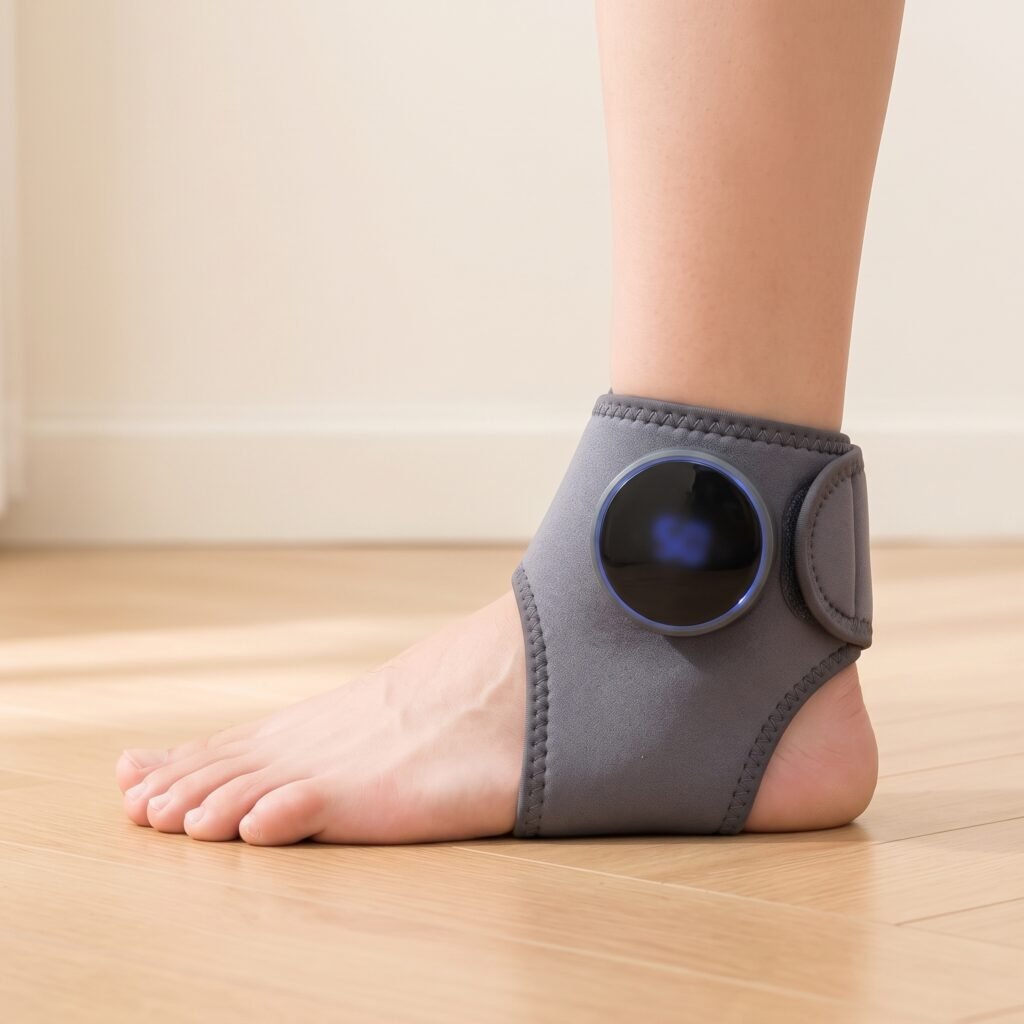
| Heated foot wrap | Steady warmth and a gentle vibration around the heel and ankle | Warming up before the first steps, comfort at the end of the day |
| Air compression boots | Squeeze the foot and calf in waves | Tired legs; not targeted at the heel |
For plantar fasciitis specifically, look for something that reaches the arch and heel, lets you control the pressure, and never makes the pain sharper. Massage should feel like relief, not like pushing through pain.
Heat or ice for plantar fasciitis?
Both are used. The AAOS recommends rolling your foot over a cold water bottle or ice. The NHS leaflet suggests ice wrapped in a damp cloth for 10 to 15 minutes once or twice a day, and adds that some people find it helps to warm the sole of the foot first thing in the morning (Royal Berkshire NHS). A practical way to use both: warmth before the first steps of the day, cold rolling after a long day on your feet. Never use ice or heat on skin that doesn’t feel well.
A day with sore heels: a simple routine
- Before getting up: a few gentle calf and foot stretches in bed or seated; some people add warmth to the sole for a few minutes.
- First steps: slowly, in supportive shoes or slippers, not barefoot on a hard floor.
- During the day: stretch again 2 to 3 times; sit down when you can.
- Evening: roll the arch over a cold bottle or a ball, then put your feet up.
Our routine is a summary of the advice above, not a treatment plan. A physical therapist can adapt it to you.
When to see a doctor about heel pain
- The pain started after a fall, a jump or an injury.
- You have numbness, tingling or burning in the foot.
- The heel is swollen, red or hot, or you have a fever.
- The pain is bad at night or at rest.
- Nothing has improved after 6 to 12 weeks of stretching, rest and good shoes.
The MONKIKA Heated Foot & Ankle Massager
From our shop
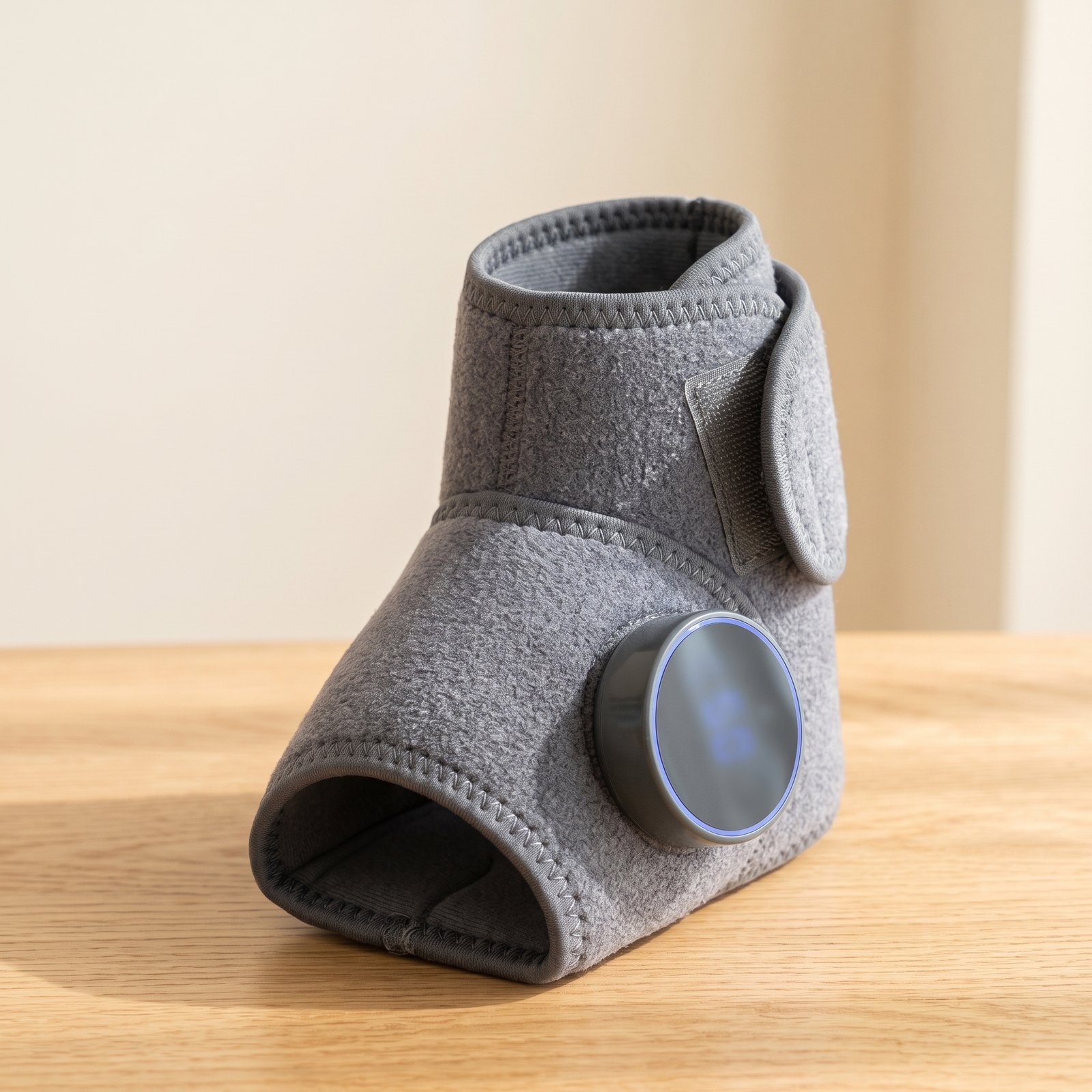
MONKIKA Heated Foot & Ankle Massager
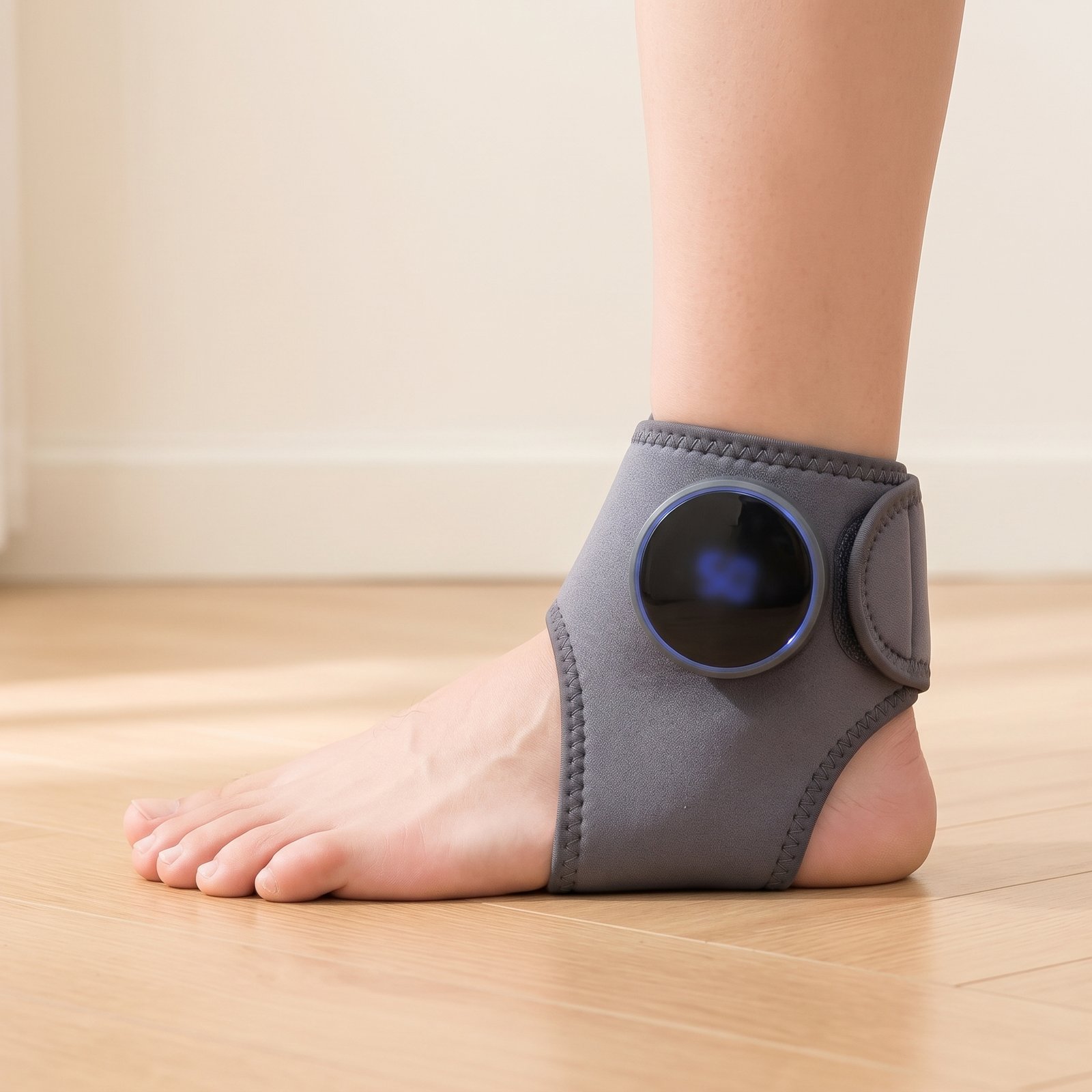
A soft, cordless wrap around the heel, arch and ankle: 6 heat levels from 104 to 149°F (40–65°C), 5 vibration levels on one round dial, toes free. 60 days to try it at home.
€34 or €49 the pairSee the foot massager
Related: foot massager for tired feet and do foot massagers work?
Questions
It can ease soreness for a while and feel good, especially warmth before the first steps. It does not treat the cause. Stretching, rest, ice and supportive shoes come first.
One that reaches the heel and arch and lets you control the pressure. For deep arch massage, a ball or a shiatsu machine; for warmth, a heated wrap. Avoid anything that makes the pain sharper.
An NHS physiotherapy team suggests rolling the sole over a small hard ball or a frozen bottle with enough pressure to feel a deep massage. Stop if it makes the pain worse.
Both are used: ice or a cold bottle to roll after activity, and some people find warmth helps first thing in the morning. Don’t use either on skin that doesn’t feel well.
More than 90% of people improve within 10 months of simple treatment, according to the AAOS. Many feel better within weeks; give the basics 6 to 12 weeks.
Many people do, for 15 to 20 minutes at a time, starting at the lowest level. Check your skin after each session and ask your doctor first if you have diabetes or numb feet.
Warm feet first thing, stretch every day.
The MONKIKA Heated Foot & Ankle Massager: 6 heat levels, cordless, 60 days to try it.
Sources
This guide is for general information. It is not medical advice. MONKIKA products are wellness devices for comfort and relaxation, not medical devices, and are not intended to diagnose, treat, cure or prevent any disease. If you have a medical condition, recent injury or surgery, ask a healthcare professional before using heat, cold, compression or massage.

